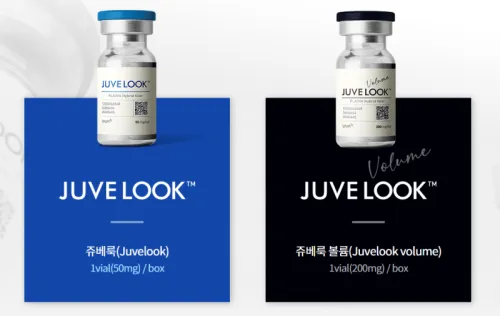
If you’ve been researching Korean skin rejuvenation treatments, you’ve almost certainly come across two names that keep appearing together: Juvelook and Lenisna. Sometimes they’re described as two separate products. Sometimes Lenisna is listed as “Juvelook Volume.” Occasionally they’re treated as interchangeable. None of that is quite right — and the confusion matters, because Juvelook and Lenisna are distinct treatments designed for different skin layers, different concerns, and different patients.
This guide clarifies everything — what each product is, how they differ, which one you might need, and whether combining them is worth considering. Whether you’ve seen the terms lenisna juvelook, lenisna vs juvelook, or stumbled across discussions in forums from Kyiv to Singapore, this is the clear breakdown you’ve been looking for.
What Are Juvelook and Lenisna?
Both Juvelook and Lenisna are injectable collagen biostimulators manufactured by VAIM Global, a South Korean aesthetic company. Both were developed using the same core technology: a combination of poly-D,L-lactic acid (PDLLA) and non-cross-linked hyaluronic acid (HA). Both are approved by the US FDA, Korean KFDA, and hold the European CE mark.
They are, in essence, two versions of the same product family — engineered for different tissue depths and treatment goals. Think of them as siblings: sharing the same DNA, but built for different jobs.
What Is Juvelook?
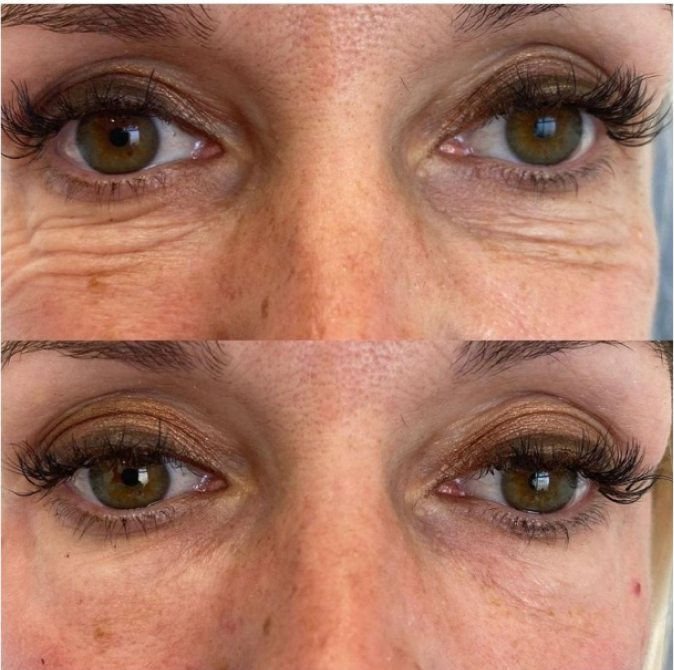
Juvelook contains 42.5mg of PDLLA and 7.5mg of non-cross-linked HA per vial. Its PDLLA particles are small — measuring 10 to 40 micrometres — which makes them ideal for superficial to mid-dermal injection. Juvelook is the skin quality treatment: it targets texture, glow, hydration, pore refinement, fine lines, and shallow acne scars. It’s frequently used around the eyes, in the tear trough, on the crow’s feet, and across the face and neck.
What Is Lenisna?
Lenisna (known internationally as Juvelook Volume) contains a much more concentrated formula: 170mg of PDLLA — four times the amount in Juvelook — and 30mg of non-cross-linked HA. Its PDLLA particles are significantly larger, measuring 50 to 60 micrometres. This formulation is designed for deep injection into the subcutaneous fat layer or supraperiosteal plane, where it delivers structural volumising and lifting effects. Lenisna is the contouring and volume-restoration treatment: it addresses sagging, deep wrinkles, facial hollowness, and significant laxity.
Lenisna vs Juvelook: The Key Differences Explained
Understanding lenisna vs juvelook comes down to five core differences: PDLLA concentration, particle size, injection depth, treatment goals, and ideal patient profile. Here’s how they compare directly.
| Juvelook | Lenisna (Juvelook Volume) | |
|---|---|---|
| PDLLA per vial | 42.5mg | 170mg (4× more) |
| HA per vial | 7.5mg (non-cross-linked) | 30mg (non-cross-linked) |
| Particle size | 10–40 µm (small) | 50–60 µm (larger) |
| Injection depth | Mid-to-deep dermis | Subcutaneous / supraperiosteal |
| Primary goal | Skin quality, glow, texture | Volume, lift, structural support |
| Best for | Eyes, fine lines, pores, glow | Cheeks, jawline, deep folds, body |
| Duration | 9–12 months | 18–24 months (some studies: up to 5 years) |
| Sessions recommended | 2–3 sessions, 4–6 weeks apart | 1–3 sessions, 4–6 weeks apart |
The PDLLA Difference: Why Concentration Changes Everything
The most fundamental difference between Juvelook and Lenisna is the PDLLA concentration — and this isn’t just a quantitative difference. It changes the entire clinical application.
PDLLA works by triggering a controlled, low-grade inflammatory response in the tissue where it’s injected. This response activates fibroblast cells, which then produce new collagen fibres over the following months. The more PDLLA present, and the deeper it’s injected, the more pronounced the volumising and structural lifting effect.
Juvelook’s lower PDLLA concentration (42.5mg) is calibrated specifically for the dermis — the middle layer of the skin. At this concentration and depth, the product stimulates collagen that improves skin texture, density, and quality without producing significant volumising changes to facial structure. This is intentional: injecting a product with Lenisna’s concentration into the dermis would risk granuloma formation and nodules. Juvelook was specifically designed to give practitioners a safer, dermal-layer tool.
Lenisna’s higher concentration (170mg), by contrast, is matched to the deeper subcutaneous layer where greater product volume is needed to produce visible structural change. At this depth, the higher PDLLA load is appropriate — and delivers the lifting and contouring effect that defines Lenisna as a treatment category distinct from a simple skin booster.
One Czech aesthetic clinic summarises it well: both products stimulate gradual and moderate collagen production without the risk of excessive or scarring stimulation that can occur with other biostimulators — precisely because of PDLLA’s spherical, porous particle structure.
What Juvelook Treats: Skin Quality From Within
Juvelook’s strength lies in its versatility for skin quality improvement. It’s the treatment that makes skin look and feel genuinely different — not bigger, not lifted, but better. Specifically, Juvelook is well established for:
- 🌟 Tear trough and under-eye hollowing — one of the most praised applications; improves under-eye texture, hydration, and fine lines
- 🌟 Crow’s feet and fine periorbital lines
- 🌟 Enlarged pores — as new collagen supports pore walls, visible pore size reduces
- 🌟 Shallow and rolling acne scars
- 🌟 Overall facial skin texture and radiance
- 🌟 Neck and décolletage rejuvenation
- 🌟 Stretch marks (body application)
Some practitioners in the UK and Europe describe Juvelook as the most significant innovation in eye-area injectables in years — surpassing polynucleotides, mesotherapy, and energy-based devices for periorbital results in their clinical experience.
To understand more about how Juvelook works as a collagen skin booster and what benefits you can realistically expect, Juvelook Collagen Skin Booster: Everything You Need to Know Before Your First Treatment covers the full picture in detail.
What Lenisna Treats: Structural Volume and Lifting
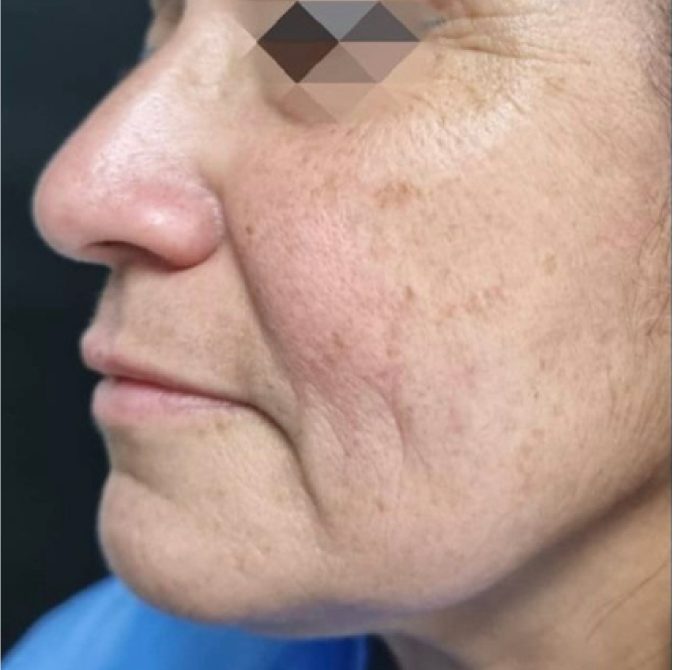
Lenisna is often described as a “liquid thread lift” — a non-surgical injectable that delivers a subtle lifting and volumising effect by rebuilding the collagen scaffolding in the deeper facial layers. This makes it particularly valuable for patients whose concerns go beyond skin texture and into structural ageing changes. Lenisna is used for:
- 🔷 Midface and cheek volume loss — restores the lifted, youthful midface contour
- 🔷 Deep nasolabial folds (smile lines)
- 🔷 Marionette lines
- 🔷 Temple hollowing
- 🔷 Jawline definition
- 🔷 Skin laxity and early jowling
- 🔷 Neck and body skin tightening (abdomen, arms, knees, buttocks)
- 🔷 Deep acne scars
- 🔷 Sun damage pigmentation on the neck and hands
Unlike traditional HA fillers — which add immediate, visible volume but carry risks of overfilling, migration, and cumulative buildup — Lenisna delivers volume by stimulating the body’s own collagen. After 2 years of use, no product residue has been detected in tissue studies. This means it can be repeated safely, layered without the accumulation risks of cross-linked HA, and used in areas where traditional fillers carry higher complication profiles.
Can You Use Juvelook and Lenisna Together?
Yes — and many practitioners in Korea, Singapore, and increasingly Europe recommend combining them as a layered protocol. The logic is elegant: since the two products treat different tissue layers and address different aspects of ageing, they complement each other without competition.
A common protocol might involve:
- Lenisna injected into the subcutaneous layer of the cheeks, temples, or jawline to restore volume and lift
- Juvelook injected into the dermis of the same or adjacent areas to simultaneously improve skin quality, texture, and hydration
This layered approach addresses facial ageing comprehensively — from the dermis to the deeper fat compartments — in a way that either treatment alone cannot achieve. Some practitioners time the treatments together in the same session (targeting different depths); others prefer to stagger them across separate appointments.
One important note: if you have had Radiesse (calcium hydroxyapatite) in a treated area, most practitioners recommend waiting at least 12 months before using Lenisna in the same zone to avoid interaction complications.
Juvelook Lenisna: The Ukraine and Eastern European Perspective
The search terms lenisna juvelook Kyiv and juvelook lenisna Kyiv reflect significant interest in these treatments across Eastern Europe — and for good reason. Both products have seen strong uptake across Ukraine, Poland, Lithuania, and the Czech Republic, where aesthetic medicine is highly developed and practitioners have embraced PDLLA biostimulators rapidly since their European CE clearance.
Lithuanian clinic GK Klinika notes that both products contain one of the highest PDLLA concentrations on the market (85%) and that their spherical, porous particle structure makes them particularly well-tolerated. European distributors note that Lenisna has surged in popularity across the continent, with supply increasingly meeting demand in markets that previously relied almost exclusively on PLLA-based biostimulators like Sculptra.
For those accessing treatment in Eastern Europe, both products are available through properly licensed aesthetic medical clinics. As always, authentic product sourcing from verifiable distributors is essential — and practitioner experience with the specific technique requirements of PDLLA products (particularly correct injection depth) is critical for optimal outcomes and safety.
Safety: How Do Juvelook and Lenisna Compare?
Both products share the same core safety profile — they are fully biodegradable, leave no permanent residue, and have been in clinical use in Korea for approximately a decade with a strong safety record. Over 1.5 million vials have been sold worldwide since 2017.
The spherical, porous structure of both products’ PDLLA particles is a meaningful safety advantage over older PLLA biostimulators like Sculptra, which use crystalline, irregular-edged particles that carry a higher nodule and granuloma risk. With Juvelook and Lenisna, if a nodule does occur, it can often be flattened using heat from a radiofrequency energy device — a management option not always available with PLLA products.
Lenisna carries slightly higher technical demands than Juvelook because of the deeper injection layer required and the higher product concentration. Injection into the wrong layer (too superficial) risks nodule formation. This is why experienced practitioners with specific training in Lenisna technique are particularly important. For a full picture of what side effects to expect and watch for, Juvelook Side Effects: The Complete, Honest Guide Before You Book is essential reading before any treatment.
For further scientific context on how poly-D,L-lactic acid behaves in the body — including its biodegradability and biocompatibility — the Wikipedia article on polylactic acid provides a clear, neutral reference.
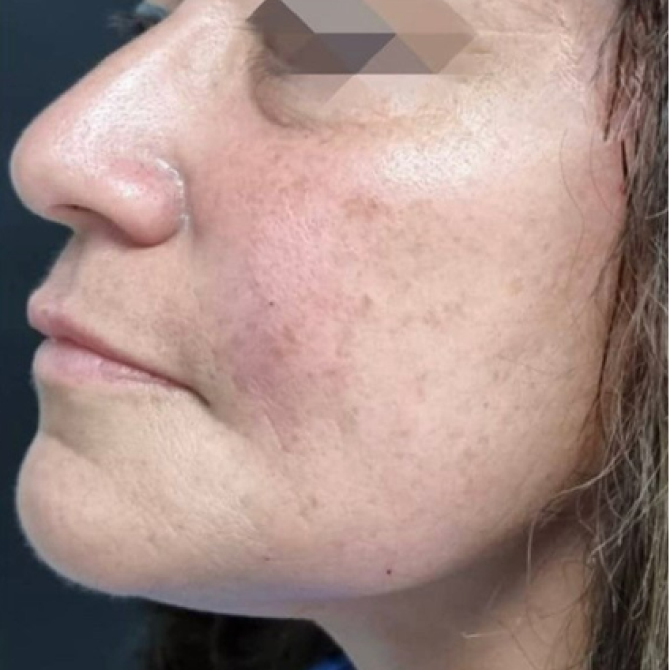
Who Should Choose Juvelook?
- ✔️ Patients in their late 20s to early 40s addressing early skin ageing
- ✔️ Those wanting improvement in under-eye area, pores, fine lines, or acne scars
- ✔️ Anyone seeking skin quality and glow without structural facial change
- ✔️ Patients who prefer a more subtle, gradual result
- ✔️ Those wanting shorter treatment sessions and quick recovery
You can explore the Juvelook formulation and shop at Juvelook.
Who Should Choose Lenisna (Juvelook Volume)?
- ✔️ Patients mid-40s and above with visible volume loss, sagging, or deep folds
- ✔️ Those seeking facial lifting and contouring without surgery
- ✔️ Patients wanting a longer-lasting result (18–24 months vs 9–12 for Juvelook)
- ✔️ Those with concerns that include body skin laxity (abdomen, arms, knees)
- ✔️ Anyone wanting to avoid traditional fillers but still achieve structural improvement
Lenisna is marketed internationally as Juvelook Volume, which you can browse at Juvelook Volume.
Juvelook and Lenisna: What Does the Treatment Cost?
Lenisna typically costs more per session than standard Juvelook, reflecting its higher PDLLA concentration and the technical precision required for deep injection. In Singapore, Lenisna (Juvelook Volume) runs roughly SGD $1,000–$1,800 per vial, compared to SGD $700–$1,200 per Juvelook session. In Korea, both are more affordable by a meaningful margin. For a complete global pricing breakdown covering Korea, Singapore, the US, and Europe, Juvelook Price: The Complete Guide to What You’ll Actually Pay in 2025 has everything you need.
When comparing them against other treatment categories, both Juvelook and Lenisna offer meaningful cost advantages over traditional HA fillers when factoring in their longer duration and the structural collagen improvement they deliver. And if you’re trying to understand where they sit in the broader landscape of skin booster options, Rejuran vs Juvelook: The Honest Comparison You’ve Been Looking For offers useful context.
The Bottom Line: Juvelook and Lenisna Are Complementary, Not Competing
The clearest way to think about Juvelook and Lenisna is this: Juvelook treats the surface, Lenisna treats the structure. One improves how your skin looks and feels; the other restores the volume and lift that ageing takes from the deeper facial layers.
Many patients will find that one or the other addresses their primary concern at a given stage of life. Others — particularly those in their late 40s and beyond dealing with both skin quality decline and structural volume loss — may benefit most from a protocol that uses both, each at the appropriate depth, together or sequentially.
What they share is their Korean heritage, their PDLLA-HA formula, their biodegradability, and their reputation as two of the most thoughtfully engineered collagen biostimulators currently available in global aesthetic medicine. Understanding the difference between them puts you in a significantly better position to have a productive consultation with your practitioner — and to choose the treatment that actually matches what your skin needs.
Disclaimer: This post is for informational purposes only and does not constitute medical advice. Always consult a qualified medical professional before undergoing any injectable treatment.