If you’ve been exploring Korean aesthetic treatments lately, chances are you’ve come across the name Juvelook. And if you’ve found yourself asking — is Juvelook a filler? — you’re definitely not alone. This question pops up constantly in beauty forums, Reddit threads, and clinic consultations alike. The confusion is completely understandable, because Juvelook sits in a genuinely interesting space between what we’d traditionally call a “filler” and what we’d call a “skin booster.”
So let’s sort this out properly — because the answer matters, especially if you’re thinking about the treatment for yourself.
What Exactly Is Juvelook?
Before we answer whether Juvelook is a filler, it helps to understand what Juvelook actually is. Juvelook is an injectable aesthetic product developed in South Korea that combines cross-linked hyaluronic acid (HA) with poly-D,L-lactic acid (PDLLA) microspheres. This dual-action formula is exactly what makes it so unique — and also what makes it so difficult to put into one category.
The PDLLA component in Juvelook works as a biostimulator: it encourages your own skin cells to produce more collagen over time. Meanwhile, the hyaluronic acid delivers immediate hydration and a plumping effect from the very moment of injection. So right away, you can see that Juvelook isn’t doing just one thing — it’s doing several things at once.
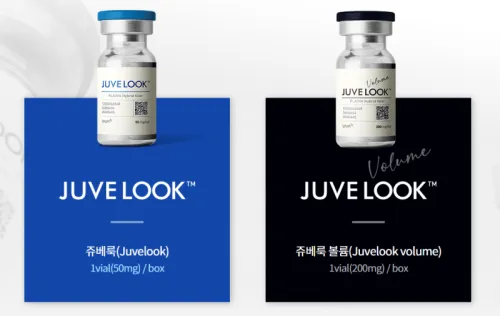
There are currently two main versions on the market: the original Juvelook and Juvelook Volume, which contains a higher concentration of cross-linked HA and is designed for areas that need more lifting and structural support. If you’d like to compare them side by side with real patient results, this post on Juvelook Volume Before and After: 7 Stunning Transformations That Reveal Natural Beauty gives a really clear picture of how the two perform in practice.

Is Juvelook a Filler or a Skin Booster?
This is the question, and the most honest answer is: it’s neither — and both. Let me explain.
How Traditional Fillers Work
Traditional dermal fillers — think Juvederm, Restylane, or Sculptra — are designed primarily to add volume or structure to specific areas of the face. They physically fill a space: smoothing a deep nasolabial fold, lifting sunken cheeks, or defining the jawline. Their effect is largely mechanical. You inject the material, it occupies space, and the area looks fuller.
Most HA-based fillers are cross-linked to varying degrees, which determines how thick, stiff, and long-lasting they are. The denser the cross-linking, the more structural support the product provides — and the less it behaves like a general skin-quality treatment.
How Skin Boosters Work
Skin boosters, on the other hand, are typically non-cross-linked or lightly cross-linked HA products injected superficially into the skin. Their purpose isn’t to add visible volume — it’s to deeply hydrate the skin from within, improving elasticity, texture, and radiance. Products like Profhilo or Restylane Skinboosters fall into this category. You won’t see a dramatic “filled” look; instead, your skin simply looks more alive, more dewy, more rested.
Where Does Juvelook Fit?
Juvelook is closer to a skin booster in its intent and delivery, but it has meaningful differences that set it apart from both categories:
- ✔️ It contains cross-linked HA, which gives it more structure than a basic skin booster
- ✔️ It includes PDLLA microspheres, which biostimulate collagen — something most fillers and boosters don’t do
- ✔️ It improves overall skin quality — texture, glow, hydration — rather than targeting a specific structural concern
- ✔️ Its results build gradually over weeks to months, rather than being immediately visible like a structural filler
So while Juvelook does contain HA cross-linking (a filler characteristic), its primary mode of action is far more in line with a regenerative skin treatment than a traditional filler.
Is Juvelook a Filler? What Reddit Users Are Actually Saying
If you search is Juvelook a filler Reddit, you’ll find a mix of experiences — which honestly reflects just how nuanced this product really is. Some users report noticeable plumping, especially around the cheeks and under-eye area. Others describe a more subtle glow and texture improvement, with no obvious volumizing effect at all.
A lot of the confusion in those threads comes from people going in expecting Juvelook to behave like a traditional filler — instant, obvious volume — and feeling surprised when effects unfold more gradually. Others who expected only a basic hydration boost were pleasantly surprised by the structural improvement they noticed over the following weeks.
The consensus is generally that Juvelook is not a filler in the traditional sense, but that it does deliver results that go well beyond a simple hydration treatment. Many describe it as sitting in its own category entirely — a regenerative injectable that blends the best of both worlds.
Juvelook vs Juvelook Volume: What’s the Difference?
This is worth addressing clearly, especially since many people searching is Juvelook Volume a filler are really trying to understand which version of the product is right for them.
Both versions share the same core formula — cross-linked HA plus PDLLA microspheres — but Juvelook Volume contains a significantly higher concentration of cross-linked hyaluronic acid. This gives it more volumizing capacity, making it better suited for:
- Areas with more significant volume loss, like the midface or temples
- Patients who want a more pronounced lifting effect alongside skin quality improvement
- Those combining Juvelook with a mild structural correction
The original Juvelook is more focused on skin quality — hydration, texture, glow, and collagen stimulation — with a lighter secondary volumizing effect. It tends to be the go-to for under-eye improvement, overall face brightening, and maintaining youthful skin texture.
If you’re deciding between the two, it’s also worth reading Juvelook Near Me: 9 Powerful Ways to Find the Best Clinics for Natural Skin Transformation — it covers how to find an experienced injector who can guide you toward the right formula based on your actual skin goals.
You can also browse both options directly: Juvelook and Juvelook Volume are available if you’d like to compare formulations before your clinic consultation.
How Is Juvelook Injected and What Does It Feel Like?
Juvelook is typically injected using either a needle or a microcannula, depending on the treatment area and your practitioner’s preference. The product is deposited in the mid-to-deep dermis — shallower than where structural fillers are usually placed.
Most practitioners use a technique called retrograde linear threading or a serial puncture method, distributing the product evenly across the treatment zone rather than concentrating it in one spot. This creates a natural, diffuse improvement rather than a localized volumizing effect — which again reinforces that Juvelook doesn’t function like a traditional filler.
In terms of how it feels: most patients describe mild discomfort during the injection, comparable to other injectable treatments. Some redness, slight swelling, and small bumps at injection sites are common and typically resolve within 24–48 hours. For a thorough look at the injection process — technique, expected sensations, and aftercare — this guide on Juvelook Injection: The Complete Expert Guide to Technique, Results, and Safety is incredibly detailed.
How Long Does Juvelook Last, and When Will You See Results?
One of the most important things to understand about Juvelook — and something that clearly separates it from traditional fillers — is its timeline of results.
With a conventional HA filler, you leave the clinic looking different. The volume is there immediately. With Juvelook, the experience unfolds quite differently:
Weeks 1–2
Mild hydration boost, skin feels more plump and dewy. Initial swelling settles.
Weeks 3–6
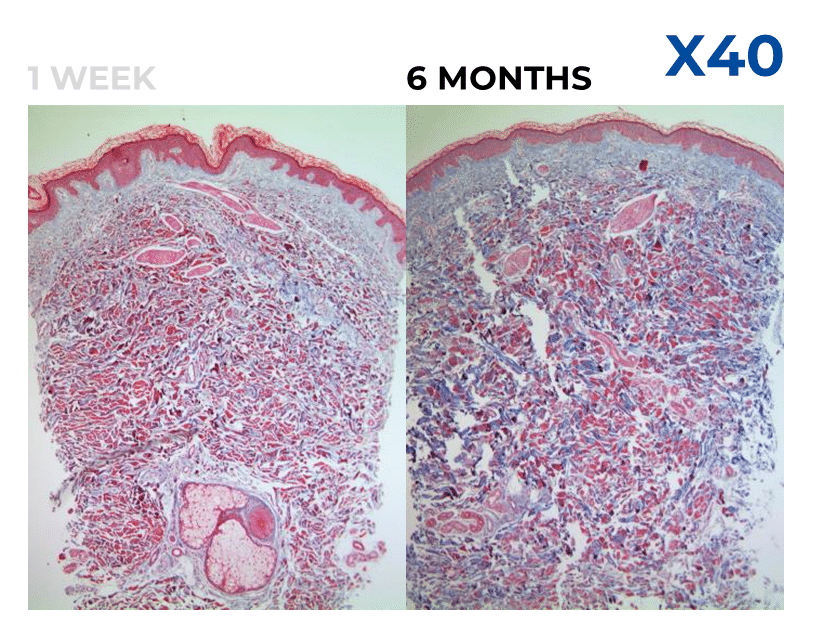
Collagen stimulation from the PDLLA microspheres begins to take effect. Skin texture starts to noticeably improve.
Months 2–4
The most significant results typically appear in this window. Skin tone evens out, fine lines soften, and there’s a visible improvement in overall glow and firmness.
Duration
Results generally last 12–18 months, though this varies depending on the number of sessions, the patient’s age, and individual skin metabolism. Most practitioners recommend 2–3 sessions spaced 4–6 weeks apart for optimal results, followed by maintenance once or twice a year.
Is Juvelook Safe? Key Risks to Know Before You Book
Like any injectable treatment, Juvelook carries some risks — and it’s important to go in with clear information. The most common side effects are minor: swelling, bruising, redness, and small lumps at injection sites. These are expected and usually short-lived.
The more serious — though rare — risk with any facial injectable is vascular occlusion, where product inadvertently enters or compresses a blood vessel. In extreme cases, this can affect circulation to sensitive areas including the eyes. This is a sobering topic, but one worth understanding before any injection. The post on Juvelook Blindness: 7 Critical Truths You Must Know Before Any Injection addresses this topic with clarity and care — not to frighten you, but to help you make a fully informed decision.
Always choose a licensed, experienced medical professional for any injectable treatment, and make sure your practitioner is specifically familiar with Juvelook’s injection depth and technique requirements. For a neutral, broader overview of how hyaluronic acid injectables are classified and used in medicine, the Wikipedia article on dermal fillers offers a solid starting point.
So… Is Juvelook a Filler? The Final Verdict
Let’s bring it all together.
Technically: Juvelook contains cross-linked hyaluronic acid, which is also found in traditional dermal fillers. So in that narrow, ingredient-level sense — yes, it contains a filler component.
Practically: Juvelook does not behave like a filler. It won’t dramatically reshape your nose, fill a deep fold, or lift your cheeks the way a structural filler would. Its primary purpose is to regenerate and improve skin quality — hydration, collagen production, texture, and luminosity — with only a mild secondary volumizing effect.
The best way to think of Juvelook is as a biostimulating skin regenerator that uses cross-linked HA as part of its delivery system. It’s a step above a traditional skin booster, but a category apart from a conventional filler. And that’s actually what makes it so compelling — and why it’s generating so much interest in the world of Korean aesthetic medicine right now.
If you want to explore this topic further before your consultation, the deep-dive article Juvelook Filler: 7 Powerful Truths That Reveal Whether It’s the Future of Natural Beauty is an excellent next read.
Ready to Try Juvelook?
If this post has answered your question and you’re feeling ready to explore Juvelook for yourself, the next step is finding a trusted clinic with real experience in this specific product. And if you’re still unsure which formula to go with, both Juvelook and Juvelook Volume are available to browse so you can walk into your consultation already informed.
Korean aesthetic medicine moves fast — and Juvelook is one of the treatments leading the way. Whether you’re chasing that signature glass-skin glow or looking for something that works quietly over time without looking “done,” Juvelook might just be exactly what you’ve been searching for.